


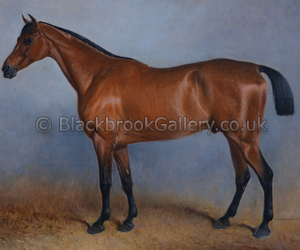
19th Century Farm Animal Paintings
Farm animal paintings became one of the most respected and enduring subjects of 19th century art. Far from being simple rural scenes, these works documented agricultural life, celebrated animal form, and reflected a period when farming sat at the centre of everyday society.
Today, 19th century farm animal paintings are admired for their craftsmanship, historical value, and timeless appeal, continuing to attract collectors who appreciate traditional subject matter and skilled observation.
The Rise of Rural Subject Matter
The 19th century was a time of rapid industrial growth and expanding cities. As urban life developed, many artists turned their attention to the countryside, finding inspiration in farming traditions and the natural rhythm of rural life.
Farm animals were essential to this world. Horses powered transport and labour, cattle and sheep represented prosperity and food production, and poultry formed part of daily farm routines. Artists increasingly placed these animals at the heart of their compositions, treating them as subjects worthy of careful study and respect.
Artists Associated with Farm Animal Painting
Many well known animal painters of the 19th century built their reputations through detailed and expressive depictions of livestock and working animals.
- George Stubbs set the standard for anatomical accuracy and careful observation, particularly in the depiction of horses and livestock.
- James Ward was known for dramatic rural scenes featuring cattle, combining power with realism.
- Richard Ansdell and Sawrey Gilpin introduced narrative and atmosphere into pastoral settings.
- The Sartorius family, including Francis Sartorius and John Francis Sartorius, were highly regarded for their animal and rural scenes.
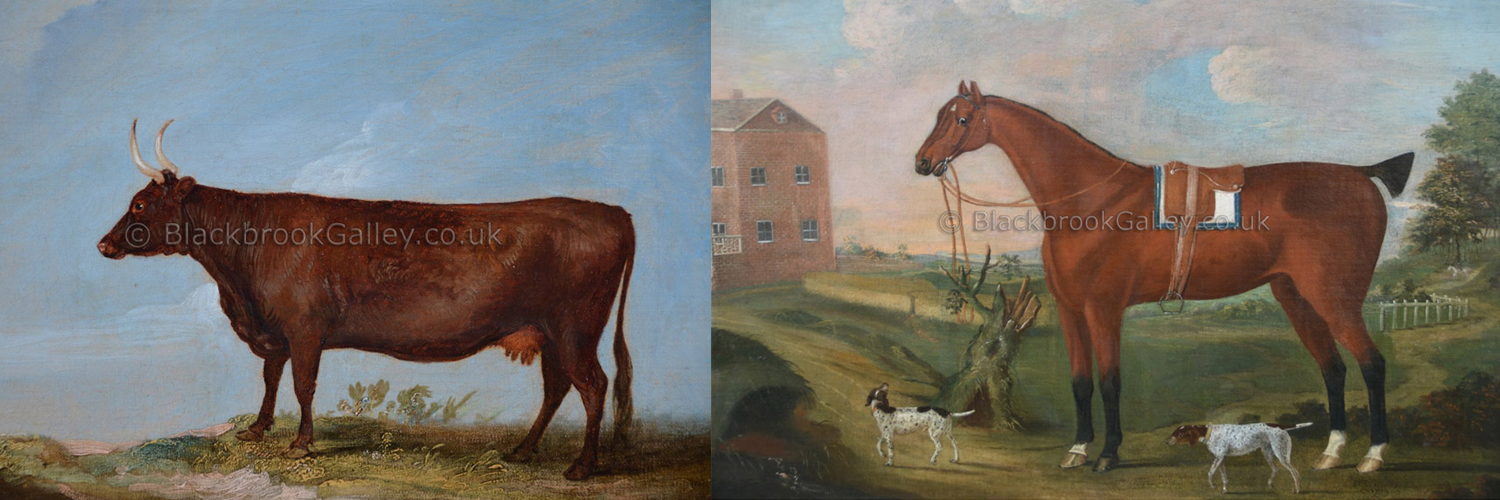
Together, these artists helped establish farm animal painting as a respected genre within British art.
Style and Techniques of the Period
19th century farm animal paintings are characterised by close observation and strong draughtsmanship. Artists often studied animals directly from life, sketching on farms, in fields, and at livestock markets.
Colour palettes tended to be natural and restrained, with earthy browns, greens, ochres, and soft greys dominating many works. Careful brushwork was used to describe texture, muscle, and movement, while backgrounds were often looser to keep focus on the animals themselves.
Historical Importance and Lasting Appeal
These paintings offer valuable insight into agricultural history, recording breeds, farming practices, and rural landscapes that have since evolved or disappeared.
Their lasting appeal lies in their honesty and familiarity. Farm animal paintings convey calm, routine, and connection to the land, qualities that continue to resonate with collectors today.
Collecting 19th Century Farm Animal Paintings
Original 19th century farm animal paintings sit comfortably in both traditional and contemporary interiors. They bring warmth, character, and a strong sense of narrative to a space.
At Blackbrook Gallery, these works are appreciated for both their artistic merit and their ability to capture a way of life that shaped generations. Visit our collection here and learn more about our cattle breeding here!