


19th Century Animal Paintings Wellington
When it comes to 19th Century Animal Paintings Wellington collectors turn to most, these works have long stood out as some of the most sought-after and widely collected pieces.
Throughout the 19th century, animal paintings enjoyed widespread admiration, valued both for their artistic quality and their subject matter.
This appreciation meant animal portraiture became a profitable area for many artists. Although the genre didn't always draw in the era's biggest names, those who specialised in it often enjoyed a steady stream of commissions. Artist Ben Marshall is said to have remarked that some owners would pay more to have their horse painted than a member of their own family.
This demand gave skilled painters a reliable flow of commissions and dependable income. These paintings remain highly collectable today, drawing strong interest from private buyers, galleries, and collectors across Wellington and beyond.
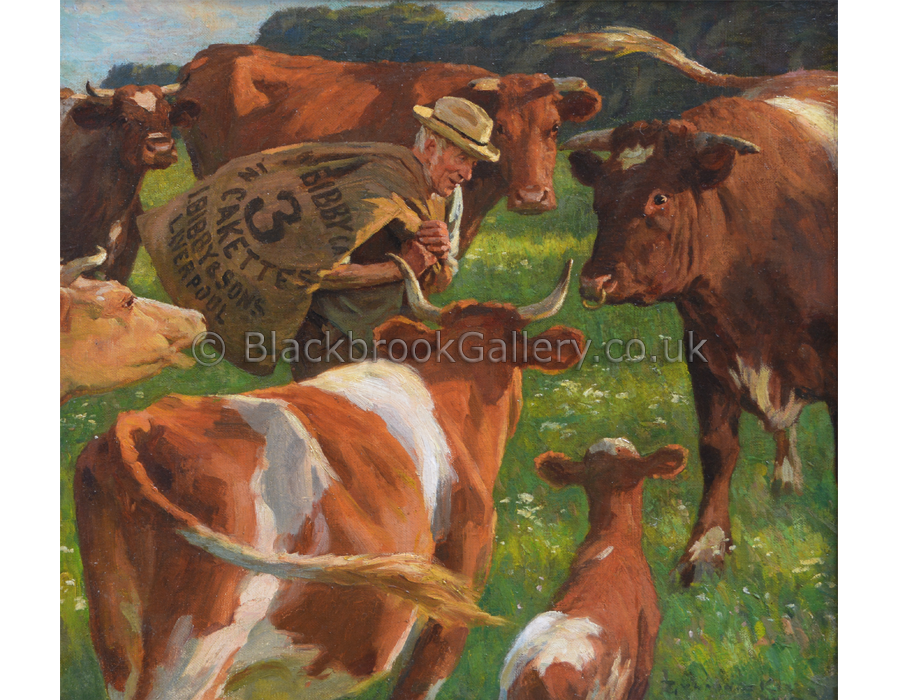
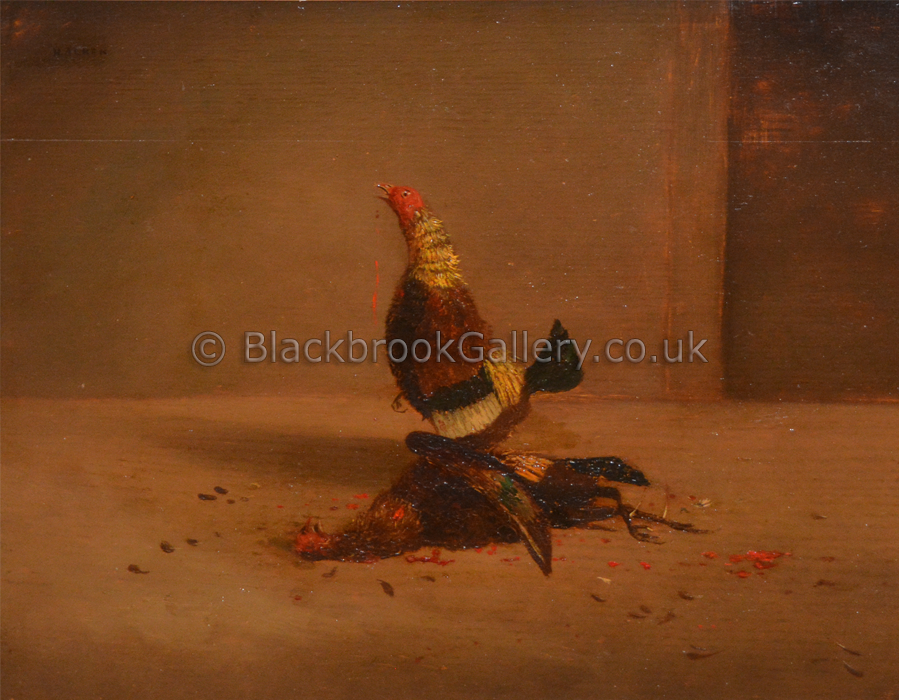

In the late 1780s and 1790s, farm animal portraiture grew in popularity, giving artists who had mainly focused on horses and dogs a new avenue to explore.
Breeders put great effort into producing improved and refined livestock, favouring animals with strong conformation, balanced proportions, and desirable traits. When commissioning portraits, they often asked artists to highlight the animal's finest features to boost its appearance and status. How this played out depended on the skill and integrity of the artist, especially at a time when livestock might be fattened over long periods to reach peak condition. Fat was highly prized, both as a marker of wealth and for practical purposes such as oil for lighting. Animals were usually shown in profile, a pose that displayed their scale, structure, and proportions clearly.
The artists working in this genre ranged from highly skilled, established painters creating precise records of prized stock, to humbler local craftsmen and travelling artists taking on varied commissions. Though the simpler works could be more naive in style, they're still valued today for their charm and character, offering genuine glimpses into their era.
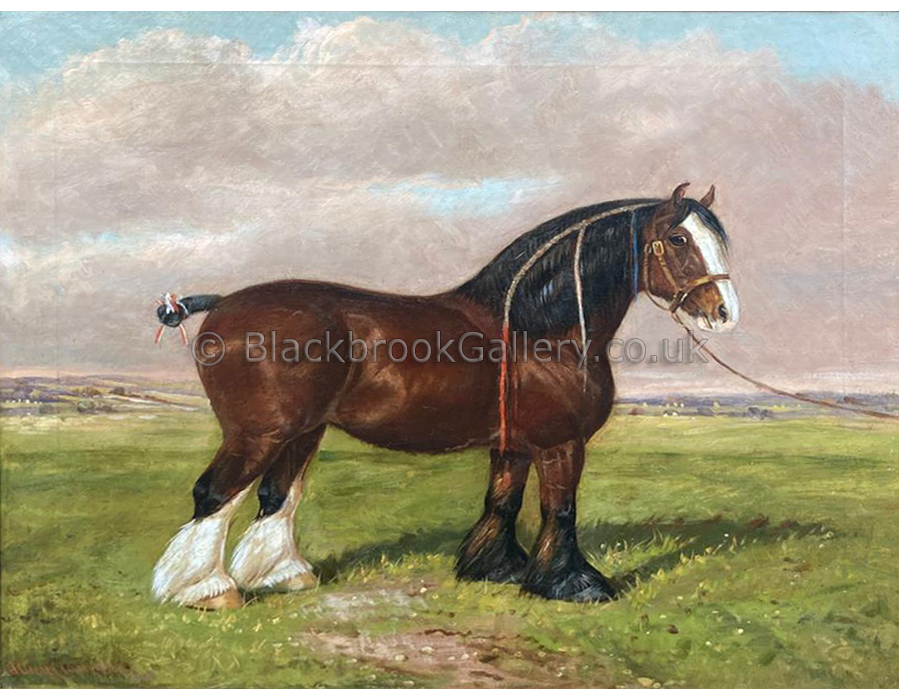
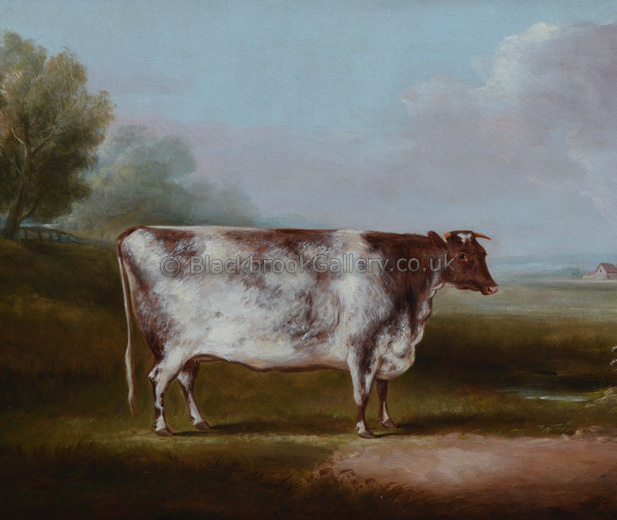
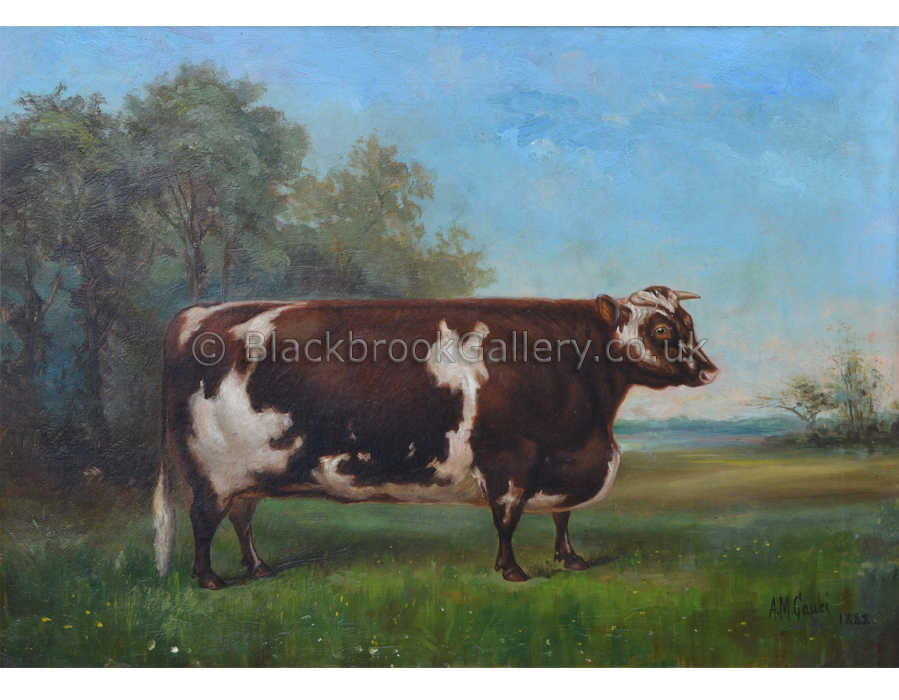
For livestock breeders, these paintings served as valuable promotional tools, showcasing their finest animals. They were often hung in large country houses and farmsteads to impress visiting agriculturalists, clients, and fellow breeders. In some cases, artists were commissioned to paint the same animal more than once, leaving a lasting record for both current and future owners of valuable stock. Animals were usually captured at their peak condition, sometimes shortly before a major sale or even before slaughter, preserving them at their very best. Only the finest animals were selected for portraiture.
These works go beyond simple portraiture, standing as valuable records of rural life. They capture farm buildings, working landscapes, and a way of life that has largely faded away. Agriculture was the leading industry of the period, with livestock at the heart of its economy and growth.
Notable 19th Century Animal Painters
This collection of 19th century animal paintings brings together works by some of the most highly regarded artists of the period. Each painter offers a distinctive take on rural and agricultural subjects, capturing the character, presence, and beauty of animals in ways that continue to appeal to collectors in Wellington and beyond.
- John Frederick Herring Snr. – One of the most highly regarded animal painters of the 19th century, recognised for his detailed and skilful portrayals of horses, livestock, and everyday rural farmyard scenes.
- James Ward – A highly accomplished painter and Royal Academician, known for bold and dramatic portrayals of cattle, horses, and other animals, often characterised by strong composition and a sense of movement.
- Richard Ansdell – A prolific and respected Victorian artist, recognised for wide-ranging rural scenes and sensitive portrayals of farm animals and sporting subjects.
- John Vine – A much-admired naive artist who built a strong reputation painting the horses, cattle, and dogs of the Essex gentry, bringing warmth and distinctive character to each subject.
- William Henry Davis – A highly prolific 19th century painter of prize livestock, recognised for detailed and characterful studies that remain among the finest visual records of the era's celebrated breeds.
Alongside many others featured in the collection, these artists provide a broad and varied insight into 19th century animal painting, presenting works that remain historically important and widely admired for their craftsmanship, detail, and lasting charm, drawing interest from collectors in Wellington and beyond.
19th Century Animal Paintings Wellington FAQ's
19th century animal paintings capture studies and portraits of animals, most often prized livestock, horses and dogs, made across the 1800s. The genre ranges from technically accomplished work by trained professionals to charmingly naïve pieces by self-taught hands. Far more than simple likenesses, these paintings act as historical documents, recording farm buildings, rural landscapes and the notable breeds of a vanished era.
Agriculture underpinned the economy throughout the 19th century, and livestock sat at the heart of that prosperity. Farmers and breeders regularly commissioned animal portraits to promote their stock, hanging them in country houses and farmsteads to impress visiting agriculturalists, clients and rival breeders. To own a painting of a prized animal was a clear sign of status, achievement and pride.
The most frequent subjects included:
- Prize cattle, such as shorthorns, longhorns and other selectively bred lines
- Horses, from racehorses and hunters to hardworking farm animals
- Sheep, especially standout rams and ewes from well-regarded flocks
- Pigs, typically selected for their remarkable size or fattening ability
- Dogs, particularly sporting and working breeds favoured by the gentry
As a rule, only animals of outstanding quality earned a place on canvas.
The genre brought together artists of very different backgrounds and skill. Leading figures included John Frederick Herring Snr., admired for his detailed horse portraits and farmyard scenes, James Ward, a Royal Academician known for bold, dramatic cattle studies, and Richard Ansdell, celebrated for his broad countryside compositions. Alongside them, naïve artists such as John Vine and William Henry Davis produced work that remains both charming and historically valuable.
Clients usually had strong opinions about how their animals should be shown. Subjects were typically painted in profile, a pose that made it easy to judge their size, proportions and overall form. Breeders often instructed artists to play up the animal's best features, a refined head, a straight sturdy back, well-formed hindquarters and generous fat, all signs at the time of quality, health and value.
19th century animal paintings tend to split into two broad groups:
- Accomplished works, made by professionally trained artists who were often well rewarded and shown at institutions such as the Royal Academy. These offer precise, detailed studies of the livestock breeds being developed at the time.
- Naïve works, made by self-taught or travelling painters, including local tradesmen working across several crafts. These pieces are usually looser and more characterful, and remain both appealing and historically valuable today.
19th century animal paintings continue to be valued not just for their artistic and historical importance but as a lively and lasting area of the collecting market. Serving as visual records of notable breeds, prize livestock and rural landscapes, they hold a distinctive place across both art history and social history. Blackbrook Gallery has focused on this field since 1989 and remains active in buying and selling quality examples.
Blackbrook Gallery holds a carefully chosen selection of 19th century animal paintings, viewable online as well as at antique fairs and events across the year. Visitors can explore the collection, look into individual artists, or enquire directly about specific pieces. The gallery is based near Coalville, Leicestershire, with paintings sold to collectors from Wellington and further afield. Get in touch by phone on 01509 503276 or through the online contact form.
Want to see more? Follow Blackbrook Gallery on Instagram to view our paintings and keep up to date with the antique fairs we attend!