


19th Century Animal Paintings Los Angeles
19th century animal paintings were among the most admired and sought-after works in Los Angeles
Animal paintings were highly regarded throughout the 19th century, with growing appreciation for both their artistic quality and their subject matter.
As a result, animal portraiture became a lucrative field for many artists. While the genre did not attract large numbers of the era's most celebrated painters, specialists were often rewarded with regular commissions. Artist Ben Marshall famously remarked that many owners were willing to spend more on a portrait of their horse than on a portrait of a family member.
The popularity of animal art created a reliable market for talented painters, providing a consistent flow of commissions and a dependable source of income. Today, these works remain highly collectable, with interest from private buyers, galleries, and collectors throughout Los Angeles and across the United States.

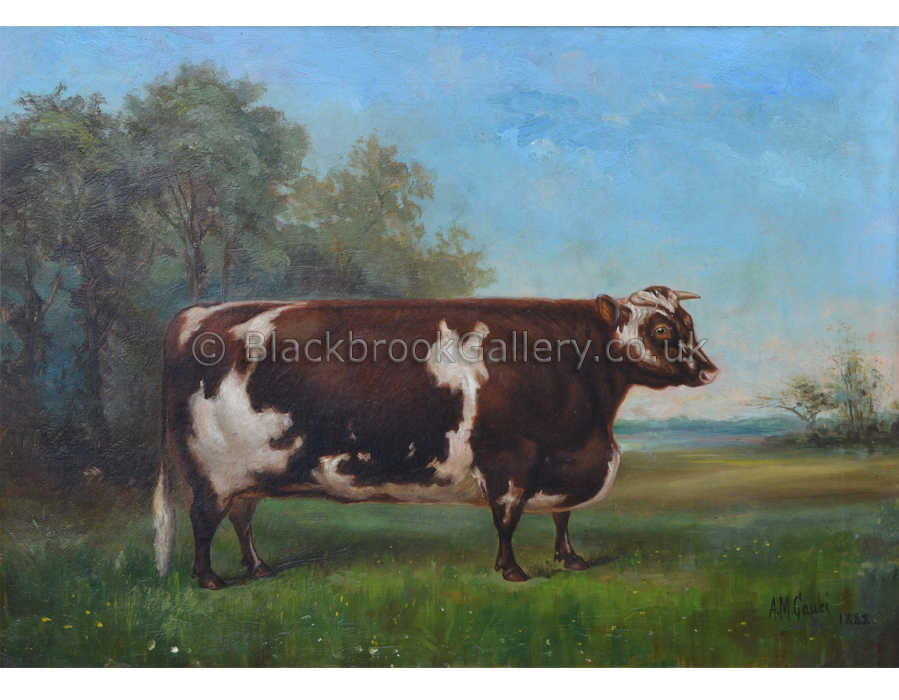
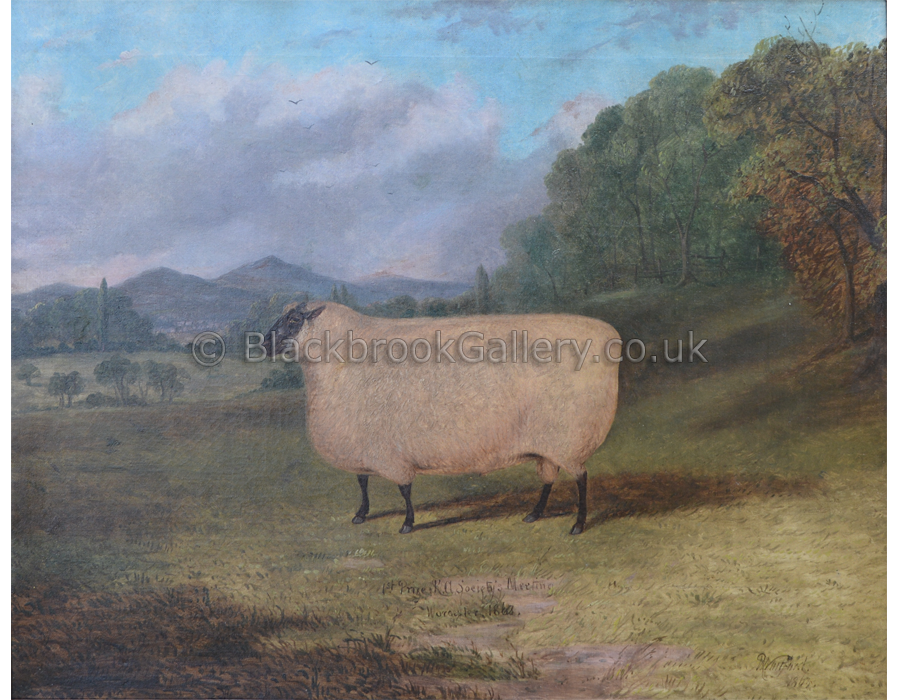
During the late 1780s and 1790s, as the popularity of farm animal portraiture became firmly established, it offered a valuable extension to the work of artists who had previously focused mainly on horses and dogs.
Breeders invested significant effort into producing refined, improved livestock, selecting animals with strong structure, well-balanced proportions, and desirable physical traits. When commissioning portraits, they often requested that artists highlight the animal’s best features to enhance its appearance and impress others. The approach taken varied depending on the integrity and style of the artist, especially in an era when livestock could be carefully fattened over many years before reaching peak condition. At the time, fat was highly valued, not only as a sign of prosperity but also for its practical uses, including oil production for lighting. Patrons typically preferred animals to be shown in profile, allowing their size, form, and proportions to be clearly appreciated.
Artists working in this genre ranged from highly skilled and well-established painters producing accurate records of breeding stock, to more modest practitioners and local craftsmen who took on a variety of work. While the latter often produced simpler, more naïve compositions, they are still regarded today as charming and characterful depictions of their time.

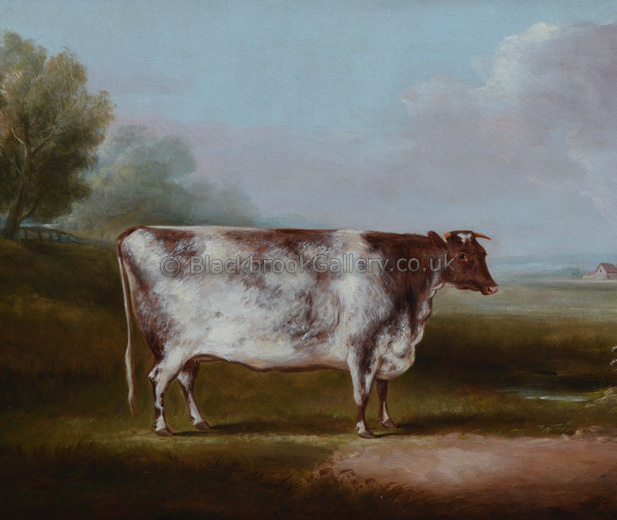
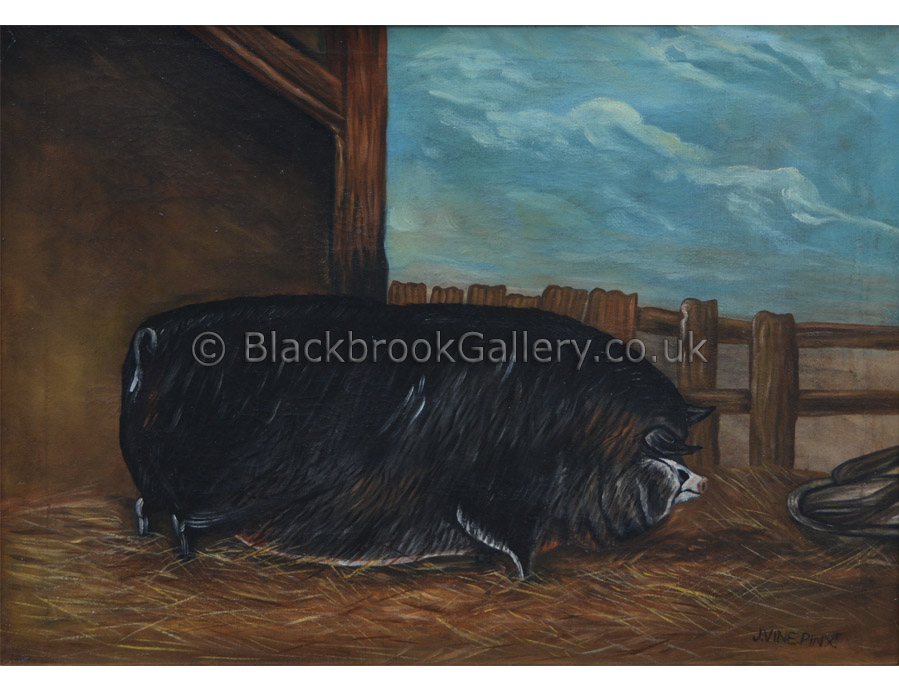
For livestock breeders, these paintings served as valuable promotional pieces showcasing their most prized animals. They were often displayed prominently in grand country houses and farmsteads to impress visiting agriculturalists and fellow breeders. In some cases, artists were commissioned to paint the same animal multiple times, ensuring both current and future owners had a lasting record of highly valued stock. Animals were typically portrayed at the moment of peak condition, sometimes just before a major sale or even prior to slaughter, preserving an image of them at their finest. Only the most exceptional animals were selected for portraiture.
These works go beyond simple portraiture, acting as historical records of rural life. They capture farm buildings, working landscapes, and a way of life that has since disappeared. At the time, agriculture was the dominant industry, and livestock played a central role in its success and development.
Well-Known 19th Century Animal Painters
This collection of 19th century animal paintings brings together works by some of the most admired artists of the era. Each artist offers a distinct approach to rural and agricultural subjects, capturing the character, presence and beauty of animals in unique and lasting ways that continue to resonate with collectors in Los Angeles and beyond.
- John Frederick Herring Snr. – One of the most celebrated animal painters of the 19th century, known for his highly skilled depictions of horses, livestock, and everyday rural farmyard scenes..
- James Ward – A highly accomplished painter and Royal Academician, recognised for bold and dramatic depictions of cattle, horses, and other animals, often infused with strong composition and movement.
- Richard Ansdell – A prolific and well-regarded Victorian artist, known for expansive rural scenes and sensitive depictions of farm animals and sporting subjects.
- John Vine – A much-loved naïve artist who established a strong reputation painting the horses, cattle, and dogs of the Essex gentry, bringing warmth and character to every subject.
- William Henry Davis – A prolific 19th century painter of prize livestock, known for detailed and characterful studies that remain some of the finest visual records of the era’s celebrated breeds.
Together with many others featured in our collection, these artists present a rich and varied insight into 19th century animal painting, showcasing works that remain historically significant and highly appealing for their craftsmanship, detail, and enduring charm.
19th Century Animal Paintings Los Angeles FAQ's
19th century animal paintings are portraits and studies of animals, most often focusing on prize livestock, horses and dogs, produced throughout the 1800s. They include both highly skilled works by professional artists and more naïve, self-taught interpretations. Far more than straightforward likenesses, these works serve as historical records, capturing farm buildings, rural landscapes and the celebrated breeds of a bygone era.
Agriculture was the leading industry of the period, with livestock forming the foundation of its economy. Breeders often used these paintings as valuable promotional tools, displaying them in grand country houses and farmsteads to impress visiting agriculturalists, clients, and fellow breeders. Owning a portrait of a prized animal was widely seen as a symbol of status and pride.
The most commonly depicted subjects included:
- Prize cattle, especially shorthorns, longhorns, and other selectively bred varieties
- Horses, ranging from racehorses and hunters to working animals
- Sheep, including notable rams and ewes from distinguished flocks
- Pigs, often bred for exceptional size and fattening qualities
- Dogs, particularly sporting and working breeds associated with the gentry
Only the most outstanding animals were typically deemed worthy of portraiture.
The genre drew a diverse range of artistic talent. Leading figures included John Frederick Herring Snr., celebrated for his expert depictions of horses and rural farmyard life, James Ward, a Royal Academician recognised for his bold and powerful cattle studies, and Richard Ansdell, admired for his expansive rural compositions. Alongside these established artists, more naïve painters such as John Vine and William Henry Davis also produced works that are both visually engaging and historically valuable.
Patrons often had highly specific expectations about how their animals should be depicted. Subjects were typically shown in profile to allow their scale, proportions, and form to be clearly appreciated. Breeders would frequently request that artists emphasise the animal’s strongest features, such as refined heads, strong straight backs, well-formed hindquarters, and plenty of fat, which at the time was regarded as a key indicator of quality and financial value.
19th century animal paintings can generally be divided into two main categories:
- Accomplished works, created by formally trained, well-paid artists who often exhibited at institutions such as the Royal Academy. These paintings provide precise, detailed records of the livestock breeds being developed during the period.
- Naïve works, produced by self-taught or itinerant artists, including local craftsmen who worked across a range of trades. These pieces tend to be more informal and characterful, yet remain highly appealing and historically significant.
19th century animal paintings have long been valued not only for their artistic and historical importance but also as a strong area of collecting interest. As records of notable breeds, prize livestock and the rural landscape of the period, they hold a distinctive position within both art and social history. Blackbrook Gallery has specialised in this field since 1989 and is actively interested in both acquiring and selling quality works.
Blackbrook Gallery presents a carefully curated selection of 19th century animal paintings, available to browse online as well as at antique fairs and events held throughout the year. Visitors can explore the collection, discover works by individual artists, or make direct enquiries about specific pieces. The gallery is located near Coalville, Leicestershire, although works have been sold to collectors around the world. Enquiries can be made by telephone on 01509 503276 or via the online contact form.
Want to see more? Follow Blackbrook Gallery on Instagram to view our paintings and keep up to date with the antique fairs we attend!